The Freshness Factor: Why Staying Current Matters in Network Management
Outdated network tools are like stale bread—useless and risky. Discover how rConfig keeps your infrastructure fresh, secure, and future-ready with modern software practices.

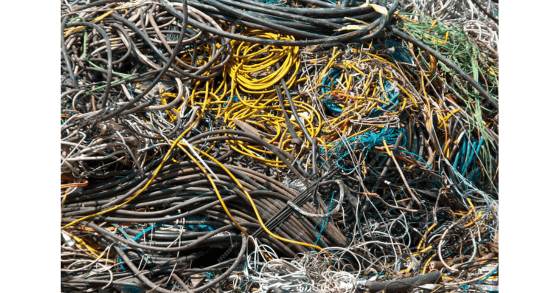
As the CTO of rConfig, I've seen my fair share of software that's gone off quicker than milk left out on a sunny day. Stale software in network configuration is like that loaf of bread you forgot at the back of the cupboard; crusty, unappealing, and likely to cause more problems than it solves.
But let's not just toss the bread out with the rubbish; let's talk about how to keep your network configuration as fresh as the morning dew. It's not just about the software itself, but the mindset that comes with it. Because let's face it, who wants to be the musty old cheese when you could be the belle of the brie?
Why Stale Software Leaves a Sour Taste
Using outdated software is a bit like fishing with an old net: you're going to miss out on the big catches. Stale software can't keep up with new technologies, much like how I can't keep up with the latest dance moves. Sure, I can floss, but by the time I learned it, the kids were on to something else.
And when it comes to security, stale software has more holes than my grandmother's knitting. It's an open invitation for cyber threats, and they're RSVPing 'yes' faster than relatives when you win the lottery.
Related article: 5 Most Common Network Configuration Issues and How to Fix Them
The Costly Conundrum of Clinging to the Past
Clinging to outdated software because it's familiar is like refusing to throw out a pair of old boots because they've molded to your feet; it doesn't matter if they're leaking, as long as they're comfortable, right? Wrong. The comfort zone is where IT nightmares are born and bred.
Let's talk turkey. The real cost of using stale software isn't just in the security risks, it's in the opportunities you miss. Every moment you're not leveraging the latest tools is a moment your competitors are pulling ahead, waving at you from their shiny new speedboats while you're paddling in a dinghy.
Staying Fresh: The rConfig Recipe
At rConfig, we treat our software like a Michelin-starred chef treats his ingredients: only the freshest will do. Our approach to network configuration is a fine-dining experience, where every update is a carefully selected spice added to the dish to enhance its flavor and keep it top-notch.
We're continuously tasting and testing, ensuring that our software not only meets the current standards but sets new ones. Because in the end, who remembers the stale sandwich when there's a gourmet feast to be had?
Conclusion: The Proof Is in the Pudding
In conclusion, avoiding the pitfalls of stale software is like baking the perfect soda bread; you need the right ingredients, a bit of elbow grease, and the willingness to follow the recipe for success. With rConfig, we've got the recipe down pat, and we're serving up network management that's as deliciously effective as it is secure.
So, let's raise a glass to fresh software and robust networks. Here's to leaving the stale, crusty software behind and embracing a solution that's as zesty as a lemon tart on a summer's day.
About the Author
rConfig
All at rConfig
The rConfig Team is a collective of network engineers and automation experts. We build tools that manage millions of devices worldwide, focusing on speed, compliance, and reliability.
More about rConfig Team